
Choosing a preschool is one of the first big decisions you will make for your child.
It can feel overwhelming.
So many philosophies.
So many beautiful classrooms.
So many promises.
But here is the truth:
You are not looking for the “best” school.
You are looking for the right fit for your child.
At WonderRoots Learning, we believe childhood should be honored — not rushed. So whether you are touring our program or another, we hope this guide helps you observe with clarity, confidence, and calm.
Take a breath before you walk in.
Notice how you feel in the space.
Then begin observing.
Safety Is the Foundation of Wonder
Children cannot explore freely unless they feel secure.
As you tour, look for:
Controlled entry and clear visitor procedures
Active supervision indoors and outdoors
Clean, well-maintained classrooms
Handwashing routines
Clear emergency postings
Then ask yourself: Does this environment feel physically and emotionally safe?
Relationships Matter More Than Curriculum
In early childhood, relationships are the curriculum.
Watch how teachers interact with children:
Do they get down at eye level?
Do they speak calmly and respectfully?
Do children seek them out for comfort?
Is guidance supportive rather than shaming?
You are looking for warmth. Presence. Attunement.
Ask yourself: Would my child feel seen here?
Learning Should Feel Like Play
For children ages 2–5, play is not separate from learning — it is learning.
Look for:
Meaningful choice
Hands-on materials (blocks, art, sensory, dramatic play)
Teachers extending learning through conversation
Minimal worksheets and limited screens
Ask yourself: Does learning here feel joyful and developmentally appropriate?
The Environment Is the Third Teacher
The space itself should communicate:
“You belong. You are capable. You are trusted.”
Notice:
Materials accessible on low shelves
Open-ended tools and loose parts
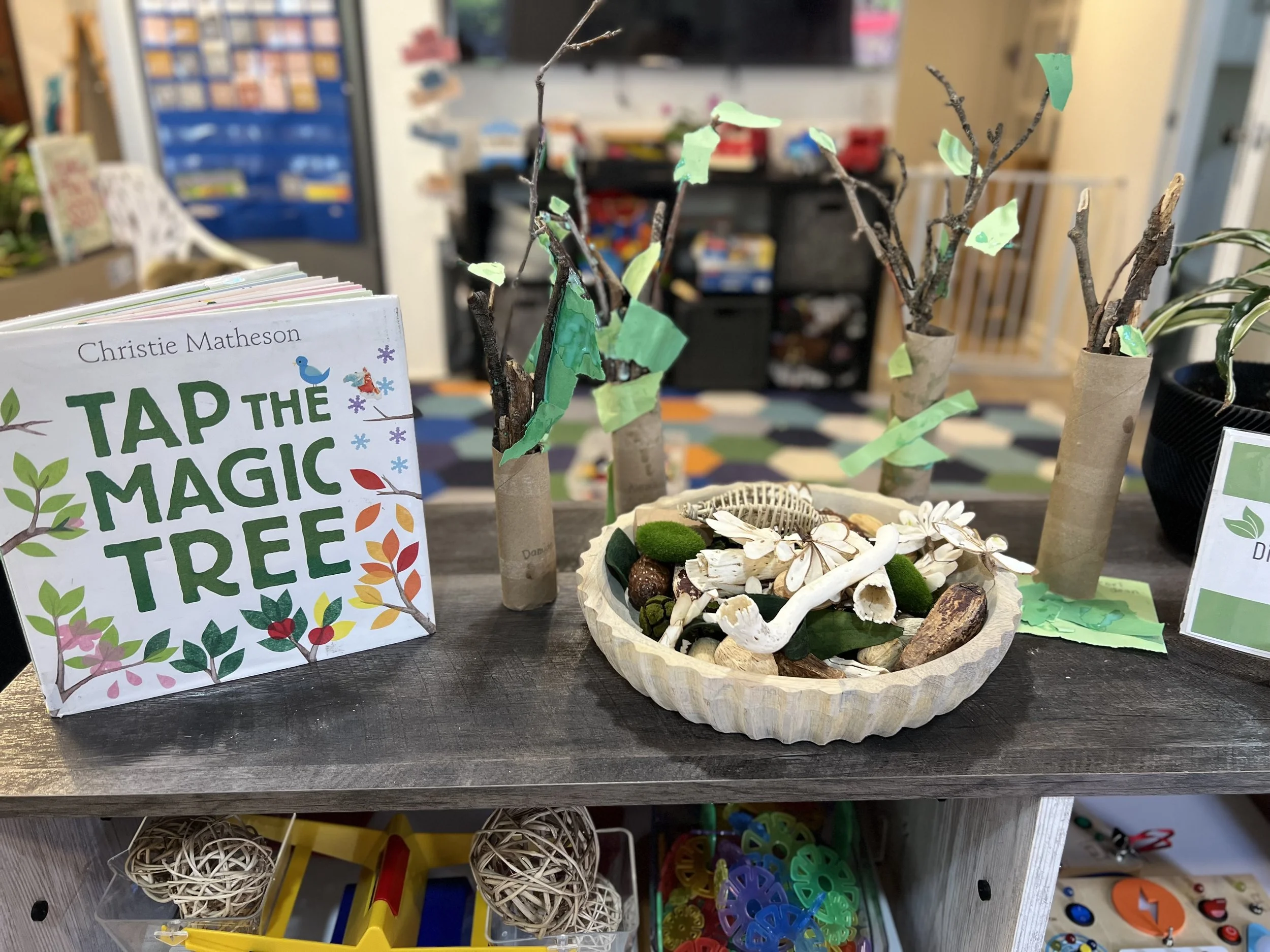
Children’s work displayed (not identical crafts)
Diverse books and representation
Outdoor space for movement and exploration
Ask yourself: Does this space invite independence and curiosity?
Rhythm, Not Rush
Young children thrive in predictable yet flexible environments.
Look for:
Daily outdoor time
Calm rest periods
Unhurried meals
A rhythm that feels steady but not rigid
Ask yourself: Does this schedule honor childhood?
Inclusion and Belonging
Every child deserves to feel known.
Observe:
Diverse representation
Support for different temperaments
Coaching for children who struggle
Partnership with families
Ask yourself: Would my child be understood here?
Notice the Energy
Trust what you feel.
Red flags may include:
Yelling or shaming
Excessive waiting
Screens used routinely
Chaotic or tense atmosphere
Limited adult engagement
The classroom should feel calm, busy, and emotionally safe.
The Most Important Question
When you leave the tour, pause.
Imagine your child walking into this classroom each morning.
Notice your body.
Notice your breath.
Then ask yourself:
Does this environment make my child’s inner self shine?
Not just behave.
Not just perform.
Not just prepare for kindergarten.
But shine.
A Final Encouragement
Choosing a preschool is deeply personal. There is no perfect program — only the right alignment for your child and your family.
Trust your instincts.
Trust your observations.
Trust your child.
And know this: The right environment will not only support your child’s growth — it will protect their wonder.

